Introduction: Material Realities in Everyday Living
When you step into a room, the furniture around you quietly narrates a story about time, climate, and how you intend to live within that space. Two of the most common materials in modern furniture are solid wood and medium-density fiberboard (MDF). Each carries a distinct lineage—from ancient timbercraft to engineered precision—and each speaks to different priorities: natural warmth and longevity on one hand, predictable economics and design flexibility on the other.
The choice between MDF and solid wood is not merely a technical decision; it is a design philosophy. Do you crave the tactile honesty of grain and the sense that a piece could outlive you? Or do you prefer the uniformity, versatility, and affordability that MDF can offer, especially for contemporary silhouettes and intricate finishes? This article guides you through the core differences, practical considerations, and the trade-offs that influence real-life purchases—from family rooms to study nooks and beyond.
What Are MDF and Solid Wood, Economically and Materially?
Solid wood is the natural product of a tree—the bedrock of many furniture traditions. It is strong, heavy, and develops a patina that tells the story of its environment and use. Each tree ring is a timestamp, and the wood’s density, grain pattern, and color contribute to a unique character. Solid wood can be carved, joined, and finished in countless ways, yet it is also susceptible to climatic changes: humidity, temperature swings, and sunlight can cause expansion, contraction, and even cracking over time.
MDF, by contrast, is a dense, engineered composite made from wood fibers bonded with resin under heat and pressure. It offers a uniform surface ideal for consistent paint and veneer finishes, and it accepts hardware and fasteners consistently. MDF shines in cost efficiency and in achieving precise profiles, especially for modern, minimalist aesthetics that require slender silhouettes and bold, uninterrupted planes.
Durability and Wear: What Stays and What Warps
Durability is not a single metric but a profile shaped by how and where a piece is used. Solid wood is naturally resilient to everyday use when properly constructed, and it can be refinished over time. However, it can be sensitive to moisture and may warp if humidity swings are extreme or uneven. The longevity of a solid-wood piece often hinges on joinery quality, grain orientation, and the finishing system used.
MDF tends to resist warps and delamination better in humid environments because it lacks the natural swelling patterns of solid timber. It can, however, be more prone to denting or chips if mishandled, and once painted or veneered, it can be more challenging to repair. The lifespan of MDF-based furniture can be excellent when well-designed and manufactured in robust production runs, but it may not offer the same age-old charm or potential refinishing options as solid wood.
Maintenance: Care, Cleaning, and Longevity
Solid-wood pieces benefit from periodic conditioning, careful polishing, and climate-controlled environments to minimize cracking or warping. The finish, whether oil, wax, or polyurethane, plays a central role in protecting the surface from spills, heat, and wear. Re-finishing a solid-wood piece can restore beauty and extend its life, often rejuvenating a heirloom feel.
MDF surfaces guarded by high-quality veneers or laminates are easier to maintain in some ways: they resist dents and scratches more uniformly and respond well to quick cleaning. Veneer edges, however, can peel with moisture exposure or impact damage, and the underlying substrate—often a composite—does not respond to refinishing in the same way as solid wood.
Cost and Value: What You Pay For
In many markets, MDF-based furniture can deliver near-identical visual appeal at a fraction of solid-wood prices, especially for contemporary designs. Solid wood tends to carry a higher upfront cost but can offer longer-term value through refinishing and timeless appeal.
For design-minded consumers, the choice is often between premium aesthetics and practical resilience. The ideal approach combines educated budgeting with anticipated use: a family living room with children and pets may benefit from the durability and cost-effectiveness of MDF for certain pieces, while a dining table or heirloom bedframe might justify solid wood for its signature longevity and warmth.
Design Considerations: Veneers, Finishes, and Craftsmanship
A veneer doesn’t abolish the material’s identity; it is a thin layer that reveals the look of solid wood while leveraging the stabilized core of MDF or composite substrate. The finish—gloss, matte, hand-rubbed oil—transforms the feel of furniture and can elevate a space with a tactile memory of touch and light.
Craftsmanship matters: joinery quality, edge treatment, and the method of attaching legs or hinges can determine performance over time. A well-made MDF piece with robust edge banding and a quality veneer can behave like a high-end alternative, whereas shoddy construction can expose limits that become apparent with heavy use.
A Cultural Lens: Material Choices Across Time
Throughout history, material choices have reflected cultural values and technological reach. In ancient woodcraft, master carvers shaped living spaces with solid timber, relying on hand tools and natural patinas. The modern era introduced engineered woods, encouraging standardized production and design replication. The following profiles illuminate how different eras perceived wood and its replacements:
-
Ancient Civilizations:
- Industrial Age (19th–early 20th century): The rise of mass production brought plywood and early composites, expanding options for sturdier furniture at scale. The era also popularized veneers as a means of achieving varied aesthetics without soaring costs.
- Contemporary Design (late 20th century to today): Designers embraced MDF and particleboard, pushing for minimalist forms and precise finishes. The dialogue has moved toward sustainability, durability, and a renewed interest in the craftsman’s timbers and techniques.
Case Study: Genevieve Sofa and Loveseat (Cisco Home) in Context
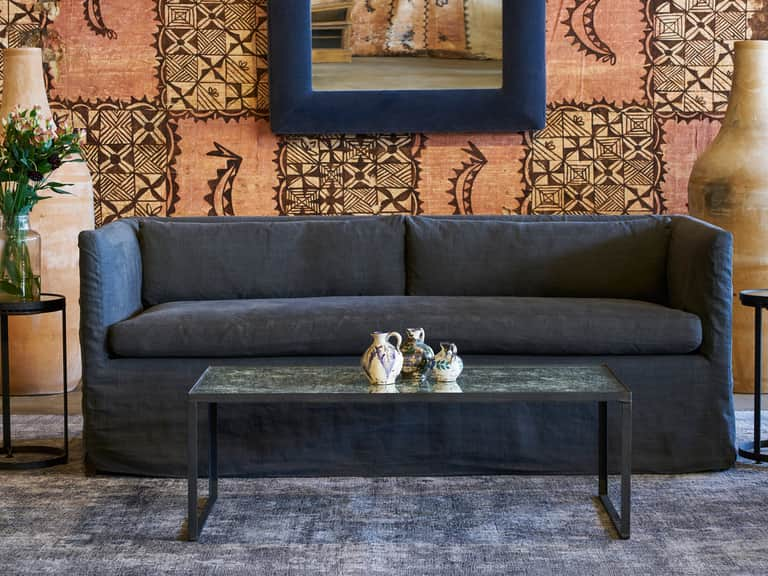
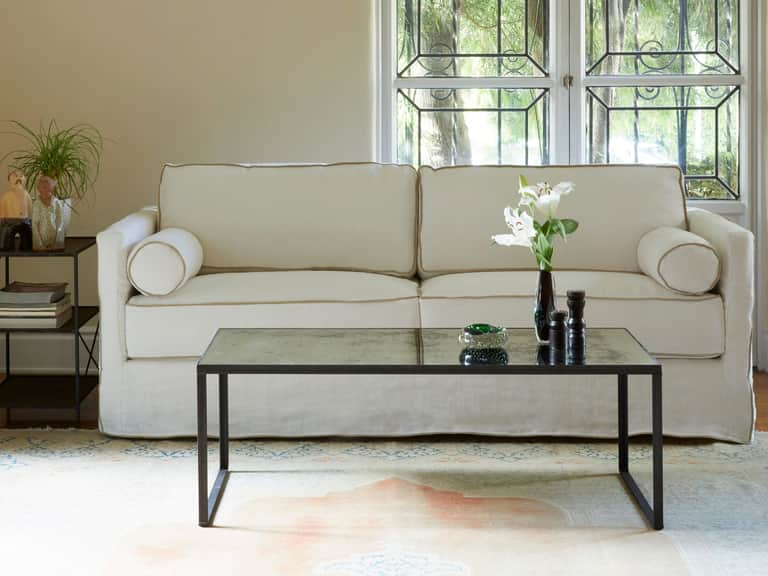
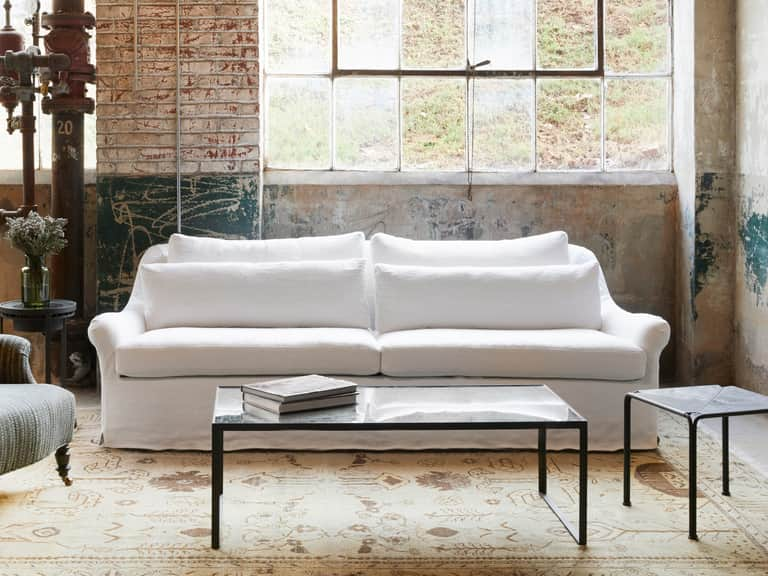
The Genevieve Sofa and Loveseat exemplifies how a modern piece negotiates form, function, and material identity. With three size options—84", 96", and 108" wide—and a 72" loveseat, the Genevieve embraces a bench-style seat and two-over-two back cushions. The upholstery can be tailored to taste, or a slipcover version can introduce a delicate slit in the slip skirt. Crafted in the USA on FSC-certified hardwood, this piece demonstrates a commitment to sustainable manufacturing alongside refined aesthetics.
Materials selection here balances the warmth of natural wood with a sophisticated, durable cover system. The option to adapt leg finishes—Maple Wood with Umber stain—speaks to thoughtful, adaptable design that ages gracefully. In a living room, such a piece creates a sense of continuity with other timber elements, while the soft, cushion-forward silhouette invites a sense of comfort and welcome.
Key Individuals Across Time
Vitruvius (1st century BCE)
A figure whose encyclopedic mind linked architecture with proportional aesthetics. His treatises on building materials and joinery illuminate a long cultural memory of how material choices—wood, stone, metal—shaped spaces that remained practical and humane across eras.
Gottfried Wilhelm Leibniz (1646–1716)
A polymath who sought systematic order in science and logic, influencing how we understand materials through the lens of structure and efficiency, including early ideas about modular design and standardized parts that echo in modern MDF-driven manufacturing.
Le Corbusier (1887–1965)
A pioneer of modernism whose furniture design often relied on machine-like precision and the clarity of form. The era he helped define embraced engineered woods and clean lines—an architectural philosophy that aligns with MDF-led production and veneer-forward aesthetics.
Naomi Klein (1960– )
A contemporary voice highlighting sustainability and ethical production. Her writings push designers and consumers to consider the environmental footprints of materials, inviting a broader conversation about inside-green options and responsible sourcing.
Practical Guidance: How to Choose for Your Life
Here are pragmatic steps to help you decide:
- Assess usage: high-traffic rooms may benefit from MDF-based construction with durable veneers for crisp finishes and resistance to wear; solid wood shines in spaces where refinishing and longevity are valued.
- Consider climate: humid environments can influence the stability of solid wood, while MDF’s engineered core performs more predictably in such settings.
- Evaluate maintenance: if you want to minimize refinishing chores, MDF with a protective veneer can be a practical solution; for cherished items, solid wood offers the charm of aging gracefully with care.
- Factor design goals: for slender modern silhouettes, MDF can achieve precise profiles; for warmth and character, solid wood remains unsurpassed.
Product Spotlight: Genevieve Sofa and Loveseat

Cisco Home Genevieve Sofa and Loveseat — Genevieve line, FSC-certified hardwood, customizable finishes.
Genevieve at a Glance
- Available in 84", 96", 108" wide configurations plus a 72" loveseat.
- Bench seat with two-over-two back cushions for a whimsical yet grounded look.
- Slipcovered option with a slit skirt and upholstered option with maple legs in umber finish.
- Inside Green option supports eco-friendly material choices.
- Dimensions: seat height ~19.5", arm height ~25".
In a living room, Genevieve can anchor a seating cluster with a gentle, sculptural silhouette that invites conversation. The combination of bench seating and back cushions creates a flexible arrangement that adapts to daily life—whether you’re hosting or unwinding with a book.
Conclusions: A Thoughtful Path Between Craft and Modern Life
The Fabric of a room is not merely the furniture you buy but the continuity of materials, textures, and finishes that weave a space into a living story. MDF and solid wood each offer a language—MDF speaks of modular precision and affordability; solid wood speaks of lineage, patina, and the human touch. By understanding the trade-offs, you can curate spaces that feel both wise and warm, resilient and personal.