Daybeds offer versatile seating and sleeping solutions, blending comfort with compact footprint for living rooms, guest rooms, or multi-use spaces. They typically feature a low-profile frame, padded cushions, and options for back-supporting backrests, making them suitable for lounging during the day and sleeping at night. Materials range from solid wood to metal frames, with upholstery in fabric or leather-based finishes that complement various interior styles.
In contemporary interiors, daybeds serve as functional focal points that can double as a sofa alternative. Key characteristics include a sturdy frame, comfortable dimensions for lounging, and often a trundle or integrated storage option. Modern designs emphasize clean lines, neutral tones, and compatibility with modular furniture systems in diverse layouts.
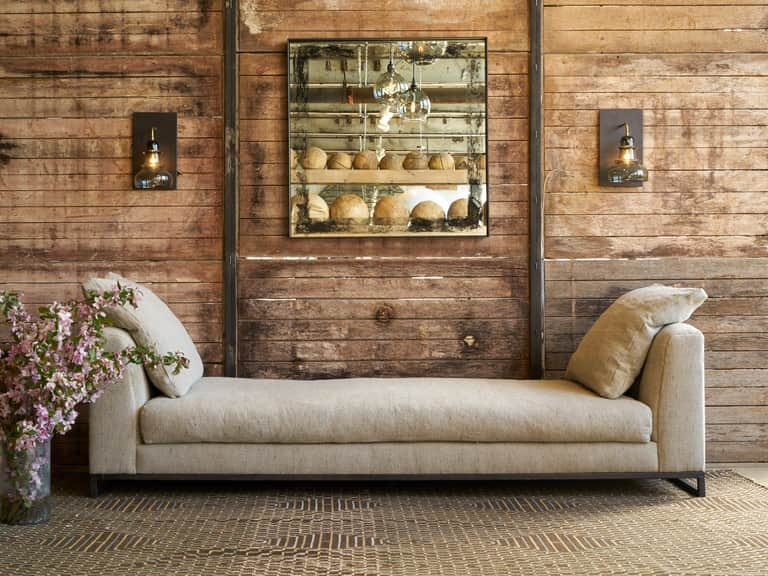
The Cisco Home Richard Daybed exemplifies multifunctionality with a gracefully scaled frame, plush upholstery, and ergonomic support. Its design enables easy conversion between seating and sleeping configurations, while durable fabrics resist everyday wear. This model highlights the balance between aesthetic appeal and practical use in spaces requiring flexible furniture solutions.
Functional benefits of daybeds extend to guest accommodations, reading nooks, and compact studio layouts. Selection considerations include mattress support, upholstery durability, ease of cleaning, and the ability to pair with throw pillows or cushions for added back support. When choosing, consider room dimensions, lighting, and how the piece complements existing furniture styles.
For educational context on furniture and room planning, daybeds align with broader categories such as chairs, benches and ottomans, sofas, and platform bed frames. Understanding the material construction, frame geometry, and fabric performance helps users assess long-term usability and comfort, ensuring the piece fits both daily routines and occasional overnight guests.
 Furniture